
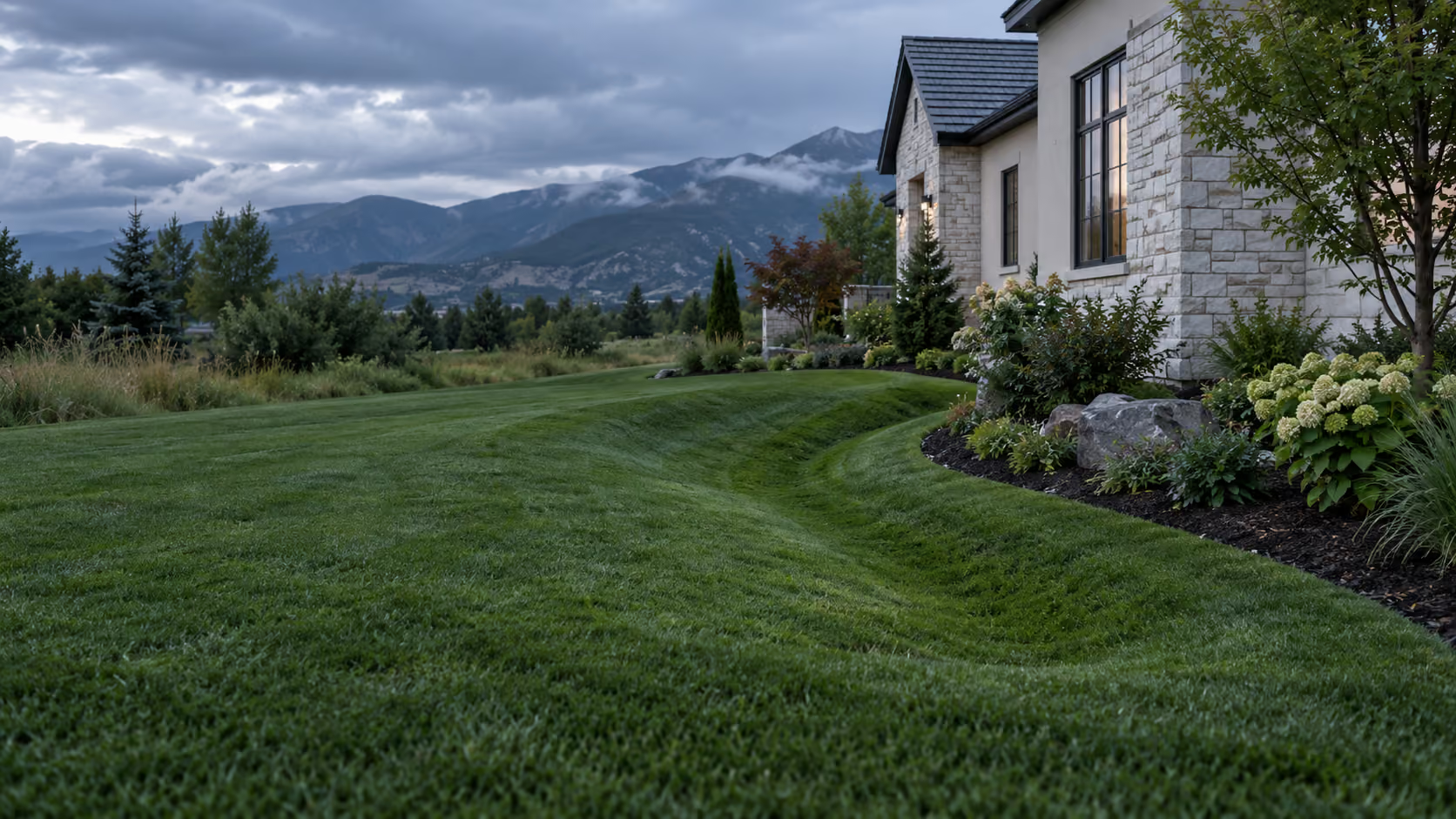
French drain installation
French drain installation in Utah starts with the water source, a suitable route and an approved outlet. Explore the project scope and request a quote.
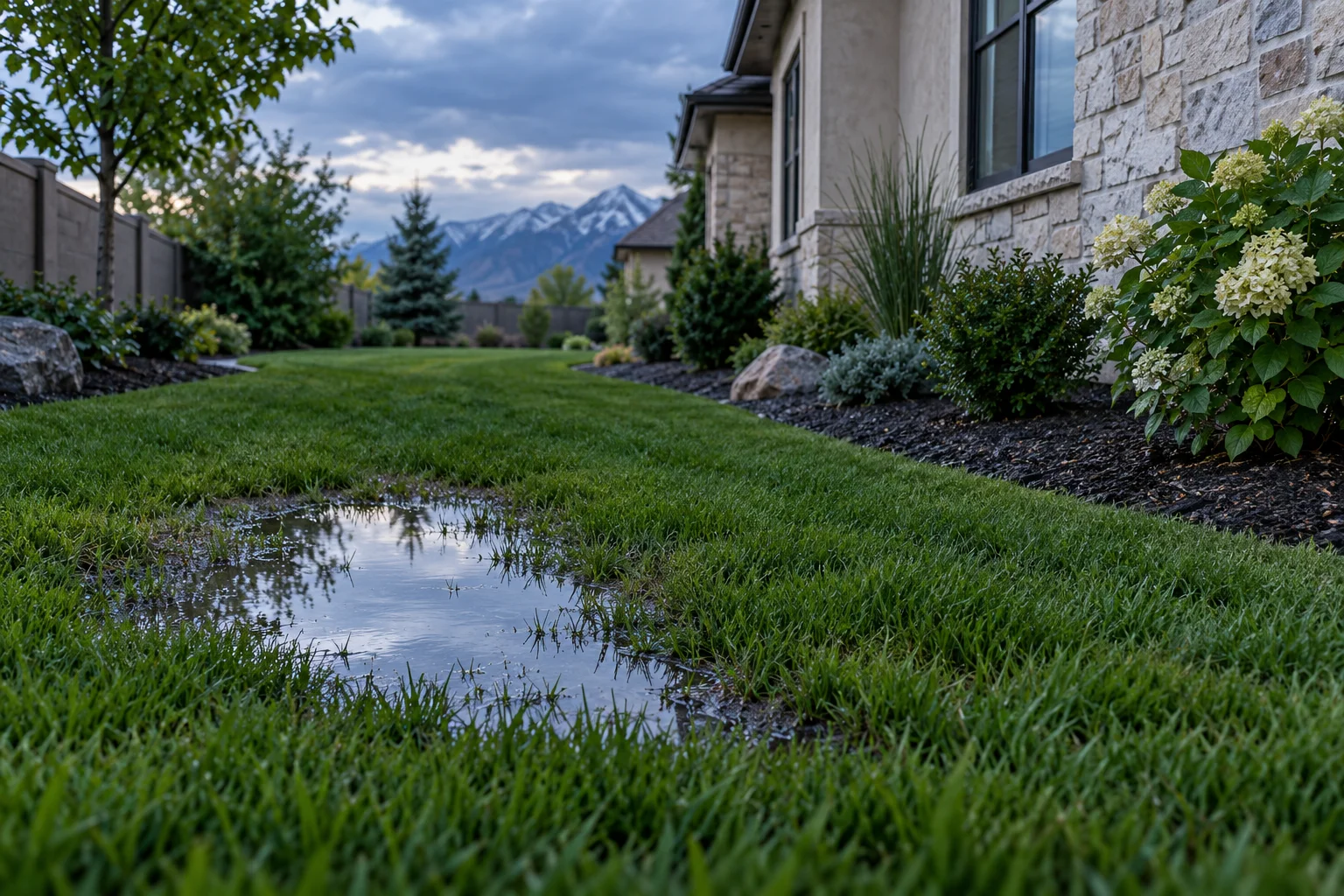
A French drain needs a purpose and an outlet.
A French drain collects excess water through a permeable drainage zone and directs it along a planned route. For a yard, that may mean intercepting water before it reaches a low spot. For a foundation, it may mean managing groundwater beside a building. Those are different assemblies, and neither should be selected solely because a lawn is wet.
The first questions are where water enters, when it appears and where it can safely leave. Roof runoff, a surface low spot and a failed existing pipe do not automatically need the same solution. A property assessment should explain why a French drain fits the problem and what other work is needed.
What a written installation scope should cover.
- Collection area: the wet area or water path the drain is intended to address.
- Route and outlet: how collected water will travel and where discharge is permitted.
- Materials: pipe configuration, drainage aggregate and soil-filtering details.
- Access and excavation: buried utilities, nearby foundations, landscape obstacles and equipment access.
- Restoration: lawn, beds, paving or other surfaces affected by the work.
Yard drains and footing drains are not interchangeable.
DOE footing-drain guidance describes pipe, washed stone and filtration around a specific foundation assembly. A landscape drain may have a different depth, collection area and finish. Foundation work should be evaluated in relation to the footings and building, not treated as an ordinary trench dug beside a wall.
Where gravity cannot carry collected water to an appropriate outlet, a sump or another discharge arrangement may be part of the plan. A pump moves collected water; it does not identify the cause of the water or make an unsuitable receiving location acceptable.
Before excavation begins.
Contact Blue Stakes of Utah811 and follow the legal start time on the locate request. Utility operators generally mark lines they own and maintain; private irrigation, laterals and power beyond the meter may need a separate locating service.
Ask how the work will protect structures and neighboring properties. Confirm any requirements for a public-system connection, right-of-way work or floodplain before installing an outlet. There is no universal trench depth or discharge rule that fits every property.
Share useful details for an estimate.
Describe the area where water collects, when the issue happens and any existing drain or known outlet. Mention recent grading, downspout or landscaping changes. If you request an on-site estimate, provide the address so access and conditions can be evaluated.
Simplified illustration. Depth, slope, materials and outlet design depend on site conditions.
Every part has a job.
The collection area, filter materials, pipe and outlet should work together with the layout of the site.
Explore related drainage services ↗Common drainage questions.
Will a French drain solve every wet-yard problem?
No. Surface grading, roof runoff, irrigation, soil conditions and discharge capacity can each affect the result. The proposed system should address the observed water source.
How deep should the drain be?
Depth depends on the collection objective, soil, nearby structures, utilities and outlet. Foundation-drain details should not be copied into every landscape trench.
Does the outlet matter as much as the pipe?
Yes. Collection without a suitable discharge or infiltration arrangement can leave water in the same area. Confirm the receiving location before installation.