
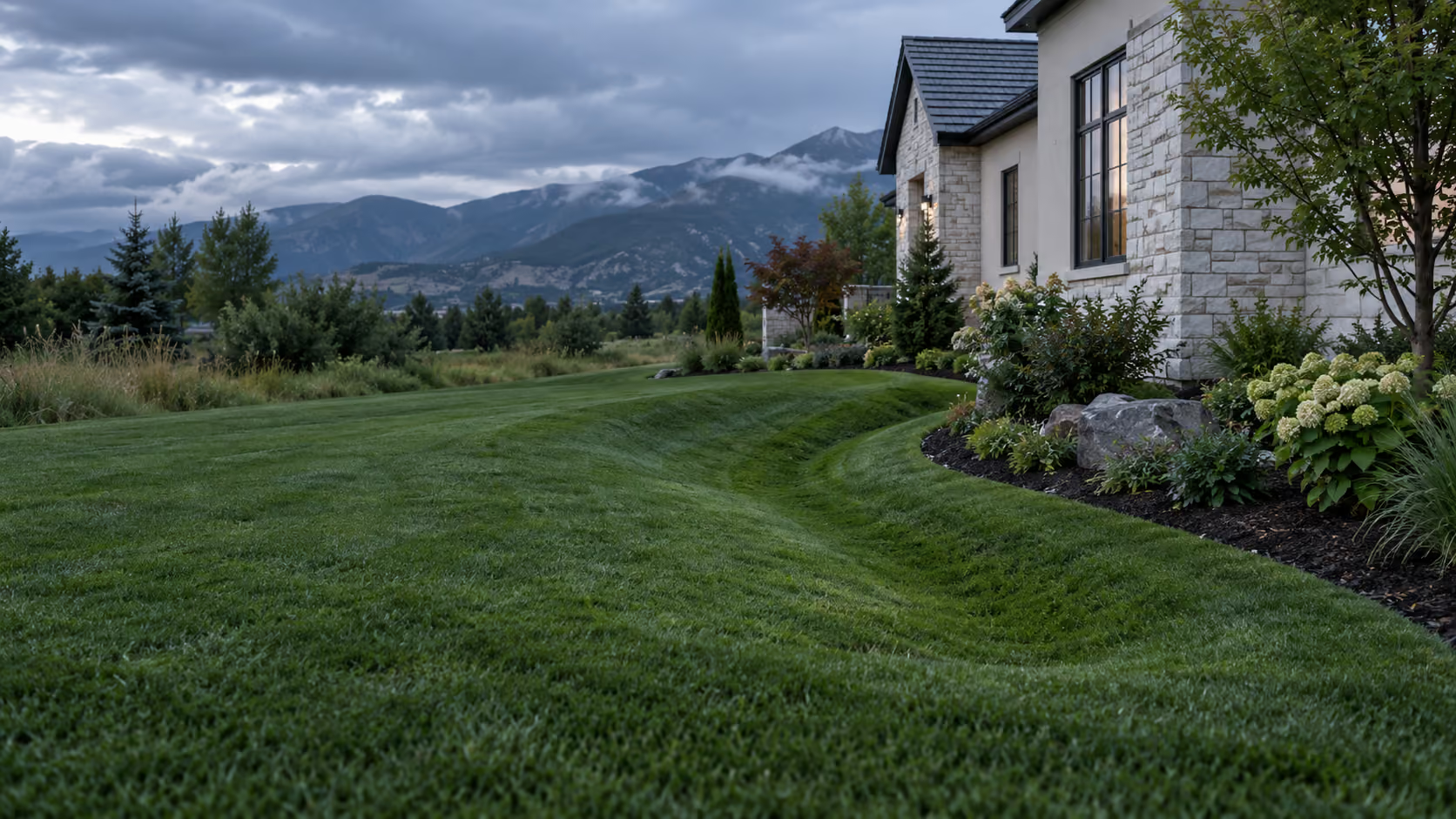
Start with observations, not a presumed solution.
Describe where water collects and when it happens. Note rainfall, snowmelt, irrigation or plumbing use that appears to coincide with the problem. Include whether there is an existing drain, sump or visible outlet.
A clear description helps distinguish surface runoff, groundwater, a building leak and an existing-system restriction. It is more useful than selecting a drain type before the cause has been assessed.
Information that helps define the scope.
- The areas affected and how long the issue has been present.
- Known downspout, drain, sump and outlet locations.
- Recent grading, construction or landscaping changes.
- Access through gates, beds, retaining walls or paved areas.
- Any drawings, installation records or photos available to discuss after the request.
- The property address for an on-site estimate; otherwise mention the city or ZIP in Project Details.
What a written drainage estimate should explain.
Look for the intended collection area, route, receiving location, proposed materials and access for inspection. Excavation, disposal and restoration should be described clearly enough to compare the work.
Ask which assumptions remain to be checked. A quote that leaves outlet permission, utility locating or foundation access unresolved can change materially after work begins.
Compare like-for-like work.
Cleaning an accessible outlet, replacing a damaged pipe and rebuilding a sediment-packed drainage zone are different scopes. Similarly, a yard drain and a foundation system involve different construction details.
Cost comparisons should consider access, excavation, materials, receiving capacity, approvals and the surfaces being restored. A generic price per foot does not capture all of those conditions.
Questions worth asking before scheduling.
- What evidence identifies the water source or system problem?
- Why does the proposed approach fit the site?
- Where will water go and what approvals are required?
- Who handles utility marking and private-line locating?
- What is excluded from the work, and how are changes handled?
- Which maintenance and access details remain after installation?
Use the quote form to start the conversation.
Choose the request type that best matches the issue, or use Other / Not Sure. Project Details and referral source are optional. An on-site estimate selection activates the address fields; Commercial activates Company Name.
Scope, availability and the written terms should be confirmed before work is arranged. The form starts an inquiry, not an installation booking.