
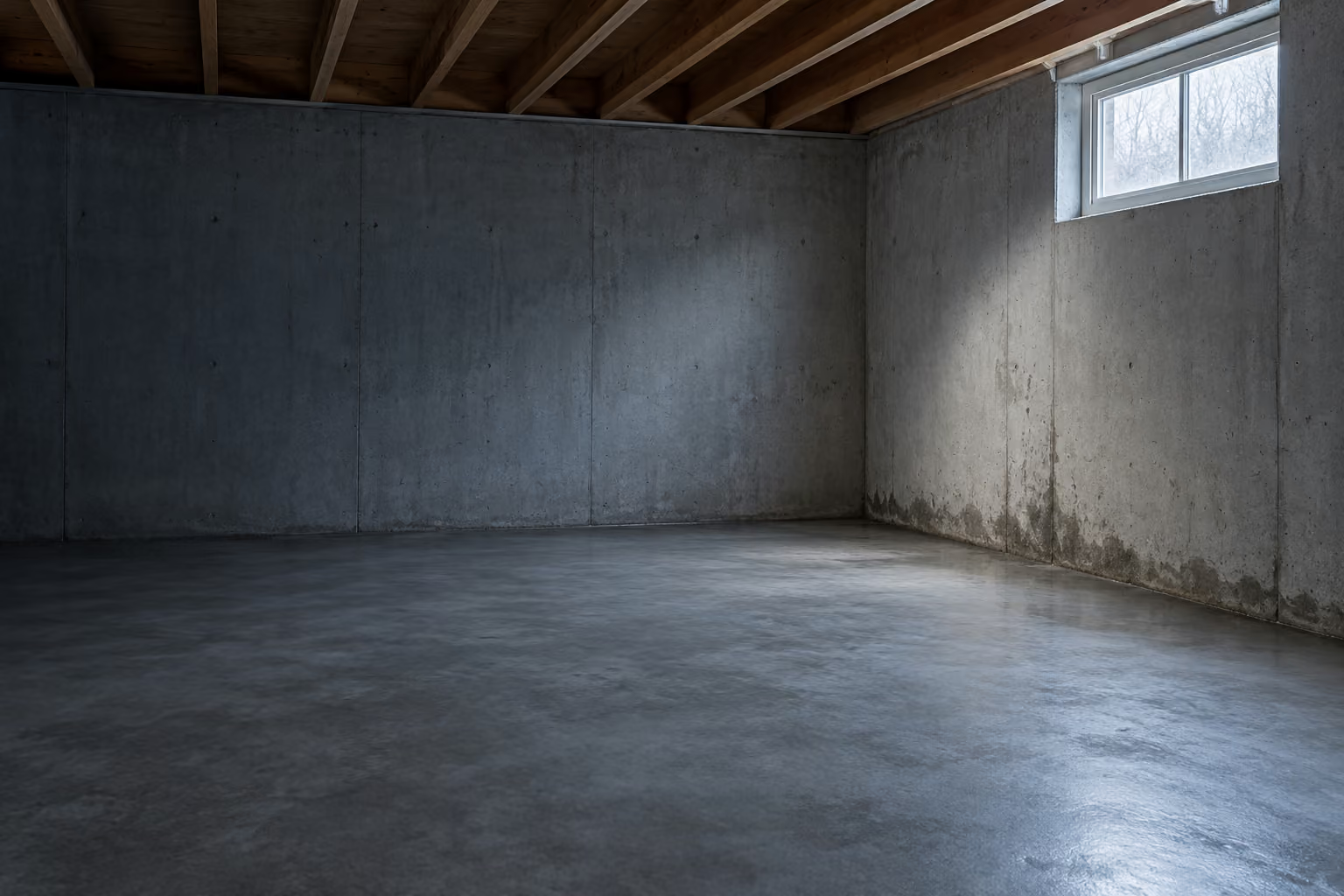
French Drains Basement: A Comprehensive Guide
Welcome to our comprehensive guide on
French drains basement. Here at the Utah French Drain Company, we are committed to helping you keep your basement dry, safe, and comfortable. In this post, we'll discuss the basics of French drains, the benefits of installing them in your basement, how to determine if your basement needs one, and much more. Let's dive in!
Understanding the Basics of a French Drain
A
French drainis a simple yet effective drainage system designed to direct water away from your home's foundation or basement. It consists of a trench filled with gravel and a
perforated pipethat collects excess groundwater and redirects it away from your property.
Benefits of Installing a French Drain in Your Basement
Installing a
French drains basementsystem comes with numerous benefits, including:
- Preventing water damage and mold growth
- Protecting your home's foundation from erosion and structural damage
- Reducing humidity levels in your basement
- Increasing the value and usability of your basement space
How to Determine If Your Basement Needs a French Drain
There are several signs that indicate your basement may benefit from a French drain, such as:
- Persistent dampness or musty smells
- Water stains on walls or floors
- Cracks in the foundation
- Frequent flooding during heavy rainstorms
If you're experiencing any of these issues, it's time to consider a
French drains basementsolution from Utah French Drain Company.
Planning to turn the lower level into living space? Review these moisture checks before basement finishing before covering walls or floors. Identify the water source and confirm the appropriate remedy first; a French drain is not a substitute for diagnosing condensation, plumbing leaks, or structural problems.
Interior vs. Exterior French Drain Systems
There are two main types of French drain systems:
interior and exterior. Interior French drains are installed inside the basement, while exterior French drains are installed outside the home's foundation. Both options are effective at directing water away from your home, but the best choice for your property will depend on your specific needs and budget.
Pipeless French Drain Solutions
Describe the water source, collection area and any existing system before choosing the work. A property-specific assessment should explain the route, receiving location and restoration.
pipeless French drain solutions. These systems utilize a combination of porous materials and natural filtration processes to effectively manage water without the need for traditional piping.
Installation Process for French Drains in Basements
The installation process for
French drains basementsystems involves several steps:
- Assessing your property and determining the most effective drainage solution
- Excavating the area where the French drain will be installed
- Laying a protective layer of drainage fabric to prevent soil intrusion and maintain proper water flow
- Installing the perforated pipe or pipeless drainage system
- Backfilling the trench with gravel for optimal water flow
- Restoring the landscape and ensuring proper water redirection
a suitable drainage contractor at Utah French Drain Company is well-equipped to handle each step of the installation process, ensuring a seamless and effective drainage solution for your basement.
French Drain Maintenance and Cleaning Services
To keep your
French drains basementsystem functioning optimally, it's important to schedule regular
maintenance and cleaning services. a suitable drainage contractor at Utah French Drain Company will inspect your French drain system, clear any blockages, and make necessary adjustments to ensure your basement stays dry and protected.
Frequently Asked Questions (FAQs)
1. What is a French drain?
A French drain is a drainage system that directs excess groundwater away from your home's foundation or basement. It consists of a trench filled with gravel and a perforated pipe that collects and redirects water.
2. How does a French drain work?
A French drain works by collecting water in the perforated pipe, then allowing it to flow through the pipe and away from your home. The gravel in the trench helps to filter the water and maintain proper flow.
3. How much does it cost to install a French drain in a basement?
The cost of installing a French drain in a basement can vary depending on factors such as the size of the project, the type of French drain system being installed, and the specific requirements of your property. For a customized quote, please
request a quotefrom Utah French Drain Company.
4. Can I install a French drain by myself?
While it's possible to install a French drain by yourself, it's generally best to consult with professionals like Utah French Drain Company to ensure proper installation and long-lasting results.
5. How long does a French drain last?
With proper installation and maintenance, a French drain can last upwards of 20 to 30 years or more.
Conclusion
Protecting your basement from water damage is crucial to maintaining the integrity and value of your home. Installing a
French drains basementsystem is an effective solution to address water-related issues and ensure your basement remains dry and comfortable.
If you're interested in learning more about our French drain services or would like to schedule an appointment, don't hesitate to
call us at 801-753-1482or
request a quote online. a suitable drainage contractor at Utah French Drain Company is ready to help you safeguard your basement and your home.